
Anxiety doesn’t always look dramatic.
Sometimes it’s just a tight chest.
A restless night.
A mind that refuses to slow down.
You may look completely fine on the outside.
But inside, your body feels constantly alert — like something is about to go wrong.
That’s not weakness.
That’s your nervous system stuck in survival mode.
The good news?
You can retrain it naturally.
Let’s go step by step.
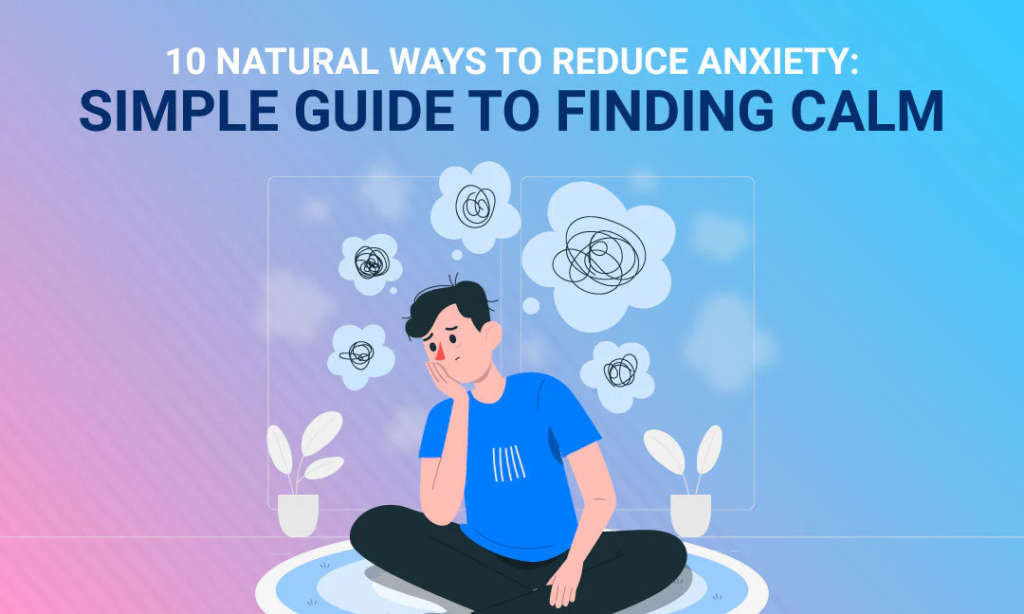
1. Regulate Your Breathing
When anxiety hits, your breathing changes automatically. It becomes fast and shallow. This sends a signal to your brain that something is wrong — even if you’re physically safe.
The powerful part is this: breathing works both ways. If anxiety can change your breath, your breath can change anxiety.
Slow breathing activates the calming system of your body (parasympathetic nervous system). Within minutes, your heart rate slows and muscle tension reduces.
Try this:
- Inhale slowly for 4 seconds
- Hold briefly
- Exhale for 6–8 seconds
- Repeat for 3–5 minutes
Longer exhales are key. They directly calm your nervous system.
2. Move Your Body to Release Stored Stress
Anxiety is not just mental — it’s physical energy. When you feel stressed, your body releases adrenaline to prepare for action. But in modern life, we rarely “burn” that energy.
So it stays in the body.
That’s why you feel restless, shaky, or tense.
Movement completes the stress cycle and tells your brain the danger has passed.
You don’t need intense workouts. Just consistent movement:
- 20–30 minutes brisk walking
- Light jogging
- Stretching shoulders and neck
- Yoga or mobility exercises
Even simple daily movement can significantly reduce anxiety levels over time.
3. Improve Your Sleep Routine
An anxious brain is often an overtired brain. When you don’t sleep properly, your fear center (amygdala) becomes more reactive.
Small issues start feeling overwhelming.
Sleep is when your brain processes emotions and resets stress hormones. Without proper rest, anxiety becomes louder.
Start with small improvements:
- Maintain a consistent sleep schedule
- Avoid screens 45–60 minutes before bed
- Keep your room cool and dark
- Reduce late-night overthinking by journaling
Better sleep doesn’t just improve mood — it strengthens emotional stability.
4. Reduce Caffeine Intake
Caffeine stimulates your nervous system. For someone sensitive to anxiety, it can mimic panic symptoms.
That racing heart?
Sometimes it’s not anxiety — it’s caffeine.
If you experience frequent anxiety, experiment with reducing intake slowly.
- Replace one coffee with herbal tea
- Avoid caffeine after midday
- Observe how your body reacts
Many people notice a visible reduction in anxiety within weeks of lowering caffeine.
5. Limit Social Media and News Overload
Your brain reacts to digital threats as if they are real. Constant exposure to negative news, comparisons, and crisis headlines keeps your nervous system in alert mode.
Even if nothing is happening in your life, your brain thinks something is wrong.
Create boundaries:
- Check news once daily
- Turn off unnecessary notifications
- Take short digital detox breaks
- Avoid scrolling before sleep
Reducing mental noise creates emotional calm.
6. Write Down Your Worries
Anxiety grows when thoughts stay undefined. When fears stay in your head, they feel massive.
Writing forces clarity.
Take 5–10 minutes and write:
- What exactly am I worried about?
- What is the worst realistic outcome?
- How likely is it?
- What would I do if it happened?
You’ll notice something powerful — most fears lose intensity when examined logically.
Clarity reduces chaos.
7. Practice Grounding Techniques
Anxiety pulls you into the future. Grounding brings you back to the present moment.
When your brain focuses on real sensory details, it exits imagination mode.
Try the 5-4-3-2-1 method:
- 5 things you see
- 4 things you feel
- 3 things you hear
- 2 things you smell
- 1 thing you taste
This technique quickly reduces emotional overwhelm.
8. Create Small Daily Structure
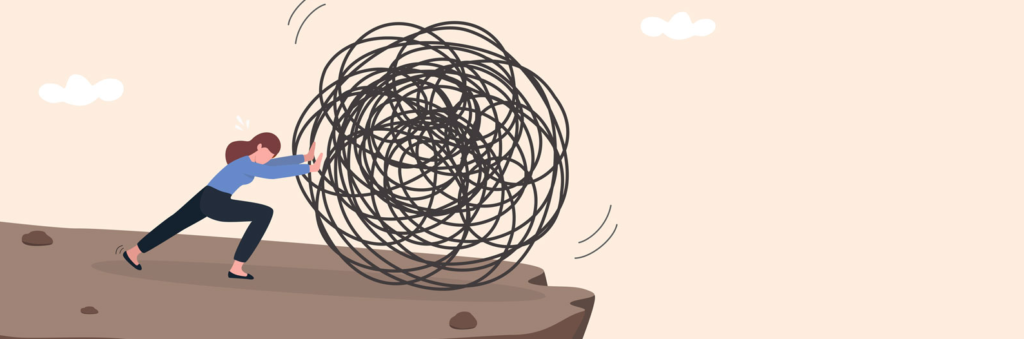
Uncertainty fuels anxiety. When your days feel unpredictable and chaotic, your nervous system stays tense.
Structure signals safety.
You don’t need a strict schedule. Just simple anchors:
- Wake up at a consistent time
- Plan 3 priority tasks daily
- Eat meals regularly
- Keep a basic weekly plan
Predictability reduces overthinking.
9. Strengthen Social Connection
Anxiety often grows in isolation. Humans regulate each other’s nervous systems.
Even short interactions release calming hormones.
You don’t need deep conversations every time. Small connection helps:
- A short phone call
- A walk with a friend
- Sitting with family
- Sharing honestly with someone safe
Connection reminds your brain that you are not alone.
10. Accept Anxiety Instead of Fighting It
Fighting anxiety often makes it stronger.
When you think, “This must stop immediately,” your body becomes more tense.
Instead, try:
“This feeling is uncomfortable, but it’s not dangerous.”
Anxiety rises like a wave — and then falls.
Acceptance reduces the fear of fear itself.
And that changes everything.
Can anxiety really be reduced naturally without medication?
Yes, many people successfully reduce anxiety through natural methods such as regular exercise, deep breathing, mindfulness meditation, improved sleep, and balanced nutrition. While medication can be helpful in severe cases, mild to moderate anxiety often improves significantly with lifestyle changes and consistent self-care practices.
How long does it take to see results from natural anxiety remedies?
Results vary from person to person. Some techniques like deep breathing can calm anxiety within minutes, while habits such as exercise, meditation, and improved sleep may take several weeks of consistency to show noticeable improvements. Patience and regular practice are key.
Is it normal to feel anxious every day?
Occasional anxiety is normal, especially during stressful periods. However, feeling anxious every day for extended periods may signal chronic stress or an anxiety disorder. If anxiety interferes with daily life, it is important to address it through coping strategies or seek professional guidance.
Does caffeine make anxiety worse?
Yes, caffeine can increase heart rate and stimulate the nervous system, which may intensify anxiety symptoms such as restlessness, nervousness, and racing thoughts. Reducing or limiting caffeine intake often helps lower anxiety levels.
What is the fastest natural way to calm anxiety?
Deep breathing exercises, grounding techniques, and short walks in nature are among the fastest natural methods to calm anxiety. Slow, controlled breathing helps regulate the nervous system and can reduce symptoms within minutes.
When should I consider professional help?
If anxiety becomes overwhelming, persistent, affects sleep, work, or relationships, or causes panic attacks, it is important to seek professional support. A licensed therapist or healthcare provider can offer guidance, coping strategies, and treatment options tailored to your needs.