

The Minimalist Lifestyle is a way of living that focuses on owning fewer things and prioritizing what truly matters in life. Instead of filling life with unnecessary possessions, commitments, and distractions, minimalism encourages people to keep only the items, activities, and relationships that add real value.
At its core, minimalism is about intentional living. People who follow a minimalist lifestyle aim to remove clutter—both physical and mental—so they can focus on important aspects of life such as personal growth, meaningful experiences, and financial stability.
Minimalism does not mean living with nothing or giving up comfort. Rather, it means being mindful about what you own and how you spend your time and money. By reducing excess belongings and unnecessary expenses, many people find they have less stress, more freedom, and greater clarity in their daily lives.
Today, the minimalist lifestyle has become increasingly popular as more individuals seek simpler living, reduced consumerism, and better work-life balance in a fast-paced modern world.
In simple terms, minimalism is about living with less so you can focus more on what truly matters.
Why You Should Choose a Minimalist Lifestyle
Choosing the Minimalist Lifestyle can bring many positive changes to your life. In today’s fast-paced world, people often feel overwhelmed by too many possessions, responsibilities, and distractions. Minimalism helps simplify life by focusing only on what truly matters.
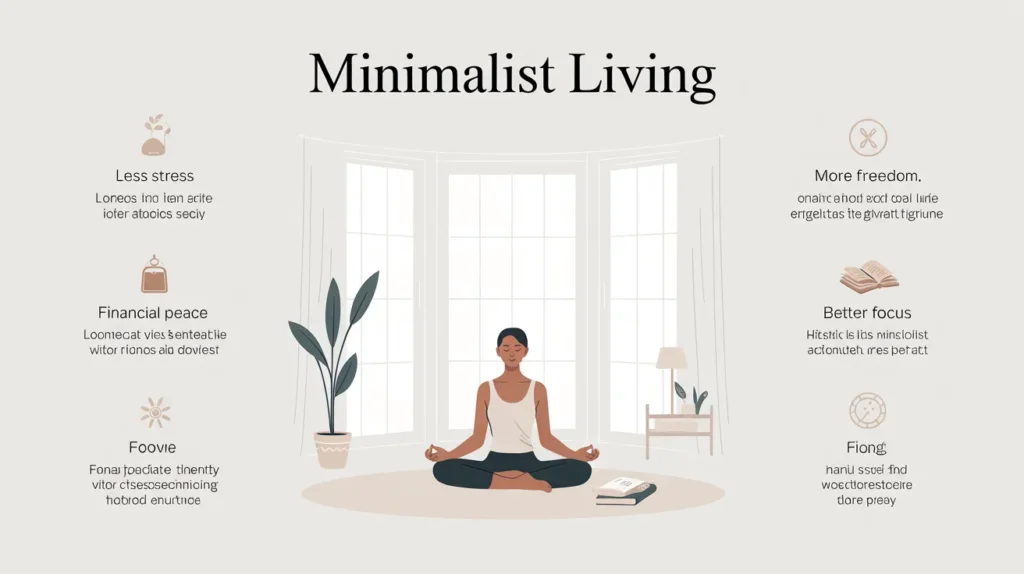
1. Less Stress and More Peace of Mind
When you reduce clutter in your home and daily life, your environment becomes more organized and calm. A clean and simple space can help reduce stress and improve mental clarity.
2. Better Financial Control
Minimalism encourages mindful spending. Instead of buying unnecessary items, you focus on essential needs. This habit helps save money and improve long-term financial stability.
3. More Time for Important Things
Owning fewer things means less time spent cleaning, organizing, and maintaining possessions. As a result, you gain more time for family, hobbies, learning, and personal growth.
4. Increased Focus and Productivity
A minimalist lifestyle reduces distractions. With fewer things competing for your attention, it becomes easier to concentrate on your goals and daily tasks.
5. Greater Freedom and Flexibility
Living with fewer possessions makes life more flexible. It becomes easier to move, travel, or adapt to new opportunities without being tied down by too many belongings.
6. Improved Quality of Life
Minimalism shifts the focus from owning more things to enjoying meaningful experiences, relationships, and personal well-being.
In simple terms, adopting a minimalist lifestyle can help you live with less stress, spend money wisely, and focus on what truly adds value to your life.
Key Principles of a Minimalism
The Minimalist Lifestyle is based on a few simple principles that help people live a more focused and meaningful life. These principles guide individuals to remove unnecessary things and prioritize what truly adds value.
1. Intentional Living
Minimalism encourages people to make purposeful decisions about how they spend their time, money, and energy. Every choice is made with a clear intention rather than following habits or social pressure.
2. Owning Only What You Need
One of the main principles of minimalism is keeping only essential and useful items. By reducing unnecessary possessions, life becomes more organized and easier to manage.
3. Focus on Quality Over Quantity
Minimalists prefer fewer but higher-quality items instead of owning many low-quality things. This approach saves money and reduces waste over time.
4. Reducing Physical and Mental Clutter
Minimalism is not just about cleaning your home; it also involves simplifying your schedule, commitments, and digital life to reduce stress and distractions.
5. Mindful Spending
People who follow minimalism practice conscious spending. Before buying something, they consider whether the item is truly necessary or valuable.
6. Valuing Experiences Over Possessions
Minimalists often focus more on experiences, relationships, and personal growth rather than accumulating material belongings.
7. Living with Purpose and Balance
The ultimate goal of minimalism is to create a balanced life where time, energy, and resources are used wisely.
Benefits of Minimalism
Adopting a Minimalist Lifestyle can positively impact many areas of life. By reducing unnecessary possessions and focusing on what truly matters, minimalism helps create a simpler, more balanced lifestyle.
1. Reduces Stress
A clutter-free environment helps create a calm and peaceful atmosphere, which can reduce daily stress.
2. Saves Money
Minimalism encourages mindful spending. When you avoid unnecessary purchases, you naturally save more money.
3. Creates More Free Time
Owning fewer things means less time spent cleaning, organizing, and maintaining them.
4. Improves Focus and Productivity
A simple and organized space helps you concentrate better on your tasks and goals.
5. Keeps Your Home Organized
Minimalism promotes keeping only essential items, making it easier to maintain a neat and tidy living space.
6. Encourages Mindful Spending
Minimalists think carefully before buying anything, which helps avoid impulsive purchases.
7. Promotes Better Mental Clarity
Reducing physical clutter often leads to a clearer mind and better decision-making.
8. Supports Sustainable Living
Buying fewer items and using things longer helps reduce waste and supports a more environmentally friendly lifestyle.
9. Increases Personal Freedom
When you own fewer possessions, it becomes easier to move, travel, or adapt to life changes.
10. Focuses on Experiences Over Possessions
Minimalism encourages people to invest in meaningful experiences, relationships, and personal growth instead of material items.
11. Improves Overall Quality of Life
By simplifying daily life, minimalism allows you to focus on what truly brings happiness and satisfaction.
How to Start a Minimalist Lifestyle (Step-by-Step)
Starting a Minimalist Lifestyle does not require drastic changes overnight. It is a gradual process of simplifying your life and focusing on what truly matters. Here are practical steps to begin your minimalist journey.
1. Understand Your Purpose
Start by asking yourself why you want to live a minimalist lifestyle. Your goal might be to reduce stress, save money, or create a more peaceful living space.
2. Start Decluttering Small Areas
Begin with a small space such as a drawer, desk, or closet. Remove items you no longer use or need.
3. Sort Your Belongings
Divide your items into categories like:
- Keep
- Donate
- Sell
- Recycle
This helps you make clear decisions about what to keep.
4. Keep Only Essential Items
Focus on keeping items that are useful, meaningful, or necessary in your daily life.
5. Avoid Impulse Buying
Before purchasing anything new, ask yourself if you truly need it. This habit helps prevent unnecessary accumulation.
6. Simplify Your Wardrobe
Consider creating a simple wardrobe with versatile clothing pieces that you wear regularly.
7. Organize Your Living Space
Arrange your home in a way that keeps it clean and functional with fewer items.
8. Reduce Digital Clutter
Delete unnecessary apps, organize files, and unsubscribe from emails you no longer need.
9. Focus on Experiences
Spend more time on activities, hobbies, and relationships rather than collecting material possessions.
10. Build Minimalist Habits
Practice daily habits like mindful spending, regular decluttering, and maintaining a simple routine.
11. Be Patient With the Process
Minimalism is a long-term lifestyle change. Take small steps and gradually create a life that feels simpler and more meaningful.
Minimalist Habits That Improve Daily Life
Adopting simple daily habits is an important part of living a Minimalist Lifestyle. These habits help maintain a clutter-free environment, reduce stress, and make everyday life more organized and meaningful.
1. Practice Mindful Spending
Before buying anything, ask yourself if the item is truly necessary. This habit helps avoid unnecessary purchases and keeps your lifestyle simple.
2. Follow the “One In, One Out” Rule
Whenever you buy a new item, remove or donate an old one. This prevents clutter from building up over time.
3. Declutter Regularly
Set aside time every week or month to remove items you no longer need. Regular decluttering helps keep your home organized.
4. Keep a Simple Daily Routine
Minimalists often follow simple routines that focus on essential tasks, which helps improve productivity and reduce stress.
5. Limit Digital Distractions
Reduce screen time, organize your digital files, and remove unnecessary apps to keep your digital life simple and focused.
6. Plan Your Day Intentionally
Start your day with a clear plan or priority list so you can focus on the most important tasks.
7. Maintain a Clean Living Space
Spending a few minutes each day tidying up can keep your home clean and clutter-free.
8. Focus on Quality Over Quantity
Choose fewer but higher-quality items that last longer and serve a real purpose in your life.
9. Practice Gratitude
Appreciating what you already have reduces the desire to accumulate unnecessary possessions.
10. Prioritize Meaningful Experiences
Spend more time on activities, relationships, and personal growth instead of focusing on material possessions.
Minimalist Lifestyle and Financial Freedom
The Minimalist Lifestyle can play an important role in achieving financial freedom. When people choose to live with fewer possessions and focus on their real needs, they naturally become more aware of how they spend and manage their money.
Minimalism encourages individuals to prioritize needs over wants. Instead of buying items simply because they are trendy or on sale, minimalists carefully consider whether a purchase will truly add value to their lives. This habit helps prevent unnecessary spending and allows more money to be saved.
Another important financial advantage of minimalism is reduced monthly expenses. With fewer possessions to maintain and fewer impulsive purchases, people often find that their overall cost of living becomes lower. As a result, they have more financial flexibility and can allocate money toward savings, investments, or long-term goals.
Minimalism also promotes a mindset of financial discipline. By focusing on quality rather than quantity, individuals tend to buy durable items that last longer, which reduces repeated spending over time.
In the long run, the connection between minimalism and financial freedom becomes clear. Spending less, saving more, and making thoughtful financial decisions can gradually lead to greater financial security and independence.
Common Myths About Minimalism
The Minimalist Lifestyle is often misunderstood. Many people think minimalism requires extreme sacrifices or a very strict way of living. In reality, minimalism is flexible and can be adapted to suit different lifestyles. Here are some common myths about minimalism.
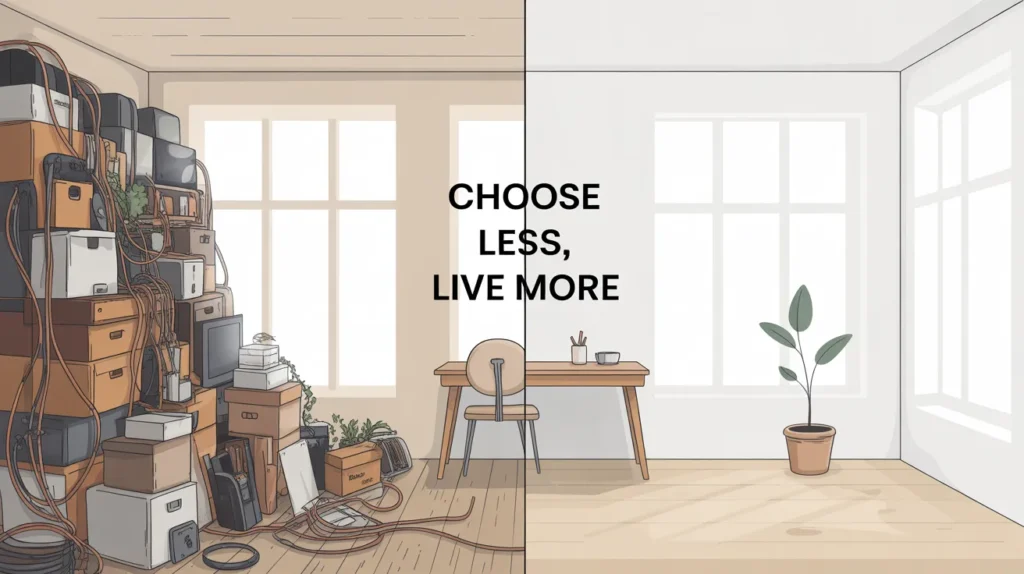
1. Minimalism Means Owning Almost Nothing
One of the biggest misconceptions is that minimalists must live with very few belongings. In truth, minimalism is about keeping what adds value to your life, not about owning the least number of items.
2. Minimalism Is Only About Decluttering
While decluttering is an important part of minimalism, the lifestyle goes beyond that. It also involves simplifying your schedule, finances, and daily habits.
3. Minimalism Is Only for Rich People
Some people believe minimalism is a luxury lifestyle. However, minimalism can actually help people save money and manage their finances better, making it beneficial for individuals from all income levels.
4. Minimalism Means Giving Up Comfort
Living minimally does not mean living uncomfortably. Many minimalists keep high-quality items that provide comfort and serve a clear purpose.
5. Minimalism Is a Strict Set of Rules
Minimalism is not a rigid lifestyle with fixed rules. Each person can practice minimalism differently depending on their needs and priorities.
6. Minimalists Don’t Buy Anything
Minimalists still buy things, but they make thoughtful and intentional purchases instead of buying impulsively.
7. Minimalism Means an Empty House
Minimalist homes are not empty; they simply contain fewer but meaningful items that create a clean and peaceful environment.
What is a minimalist lifestyle?
A minimalist lifestyle focuses on living with intention by removing unnecessary possessions, distractions, and commitments. Instead of accumulating more things, minimalists prioritize experiences, meaningful relationships, and personal well-being. The goal is not deprivation but creating space for what truly matters in life.
Does minimalism mean owning very few things?
Not necessarily. Minimalism is not about counting how many items you own or living with the bare minimum. It simply means keeping the things that add value to your life and removing those that do not. For some people this means owning fewer items, while for others it means organizing and simplifying what they already have.
Is minimalism a permanent lifestyle?
Minimalism can be a long-term lifestyle choice, but it is also flexible. People often adapt minimalism based on their stage of life, career, or family needs. The core idea is maintaining awareness about consumption and focusing on quality rather than quantity.
What are some simple minimalist habits?
Simple minimalist habits include decluttering regularly, buying only what you truly need, practicing mindful spending, limiting digital distractions, and focusing on experiences rather than material possessions. Small habits like organizing your space or setting priorities can make daily life calmer and more intentional.
Can families live a minimalist lifestyle?
Yes, families can successfully adopt minimalism. In fact, it often helps create a more organized home and reduces stress related to clutter and overconsumption. Families may focus on simplifying schedules, reducing unnecessary purchases, and teaching children the value of mindful living.
What are the main benefits of a minimalist lifestyle?
A minimalist lifestyle can reduce stress, save money, improve focus, and create a more peaceful living environment. By removing unnecessary clutter and commitments, people often gain more time, mental clarity, and freedom to focus on personal growth, relationships, and meaningful experiences.